Bronze Repairs and Restorations

Bronze Sculpture Repair, Restoration and Conservation

Bronze repairs and restorations can address accidental damage, failed joints, missing details and deteriorated surface finishes At Escar UK Bronze, bronze sculpture repair and restoration begins with assessment so that the proposed work respects the sculpture’s material, character and original finish

At Escar UK Bronze, we provide expert bronze repair, restoration and conservation services for private collectors, public organisations, businesses and heritage sites From cherished garden sculptures to monuments and war memorials, every project is approached with the same care, craftsmanship and attention to detail

With many years of experience working on bronze sculptures of every size, we understand that successful restoration is about more than making a repair It is about preserving the character, integrity and artistic value of each piece while ensuring it can continue to be enjoyed for generations

Bronze Statue Repairs and Restoration Services

Our bronze statue repair service covers work ranging from small sculptures to large garden pieces and public monuments Each object is assessed individually: a repair that is appropriate for one casting or patina may be unsuitable for another

Our restoration services include structural repairs, bronze welding, replacement of damaged or missing sections, sympathetic re-patination, professional cleaning, graffiti removal, conservation work, monument restoration and the repair of associated plinths and masonry Every project is individually assessed to ensure the most appropriate restoration techniques are used

Bronze welding repairs and replacement of missing sections are considered where the alloy, condition and design allow Repaired areas may require chasing and bronze repatination to blend with the surrounding surface The aim is a sympathetic repair, with the expected appearance and any limitations discussed before work begins

Why Bronze Deteriorates

Although bronze is exceptionally durable, exposure to the elements gradually affects every outdoor sculpture

Moisture, pollution, coastal environments, bird droppings and airborne contaminants can all contribute to changes in the surface patina Accidental damage and vandalism may also require specialist repair

An even, stable green patina may be a valued part of the sculpture and does not automatically need removal Powdery or spreading deposits, flaking, cracks and rust-coloured streaks need assessment Bronze corrosion treatment should be selected after identifying the cause; aggressive polishing or stripping can destroy original surface detail

Assessment, Repair and Sympathetic Repatination

A bronze condition assessment is the starting point for restoration; it considers the sculpture’s construction, current damage, surface finish and previous treatments Photographs can help with an initial discussion, but an examination may be needed before the scope, methods, cost and timescale can be confirmed

We examine the structural integrity, surface finish and patina before recommending the most appropriate course of action Depending on the project, work may include careful cleaning, structural repairs, replacement of missing elements, re-patination and the application of protective finishes

Bronze conservation aims to retain sound original material and significant surface finishes Full repatination is not always necessary: local treatment or a lighter intervention may be more appropriate For outdoor bronze sculpture restoration, exposure, access, fixings and future maintenance also influence the plan

Case Study : Helios Restoration

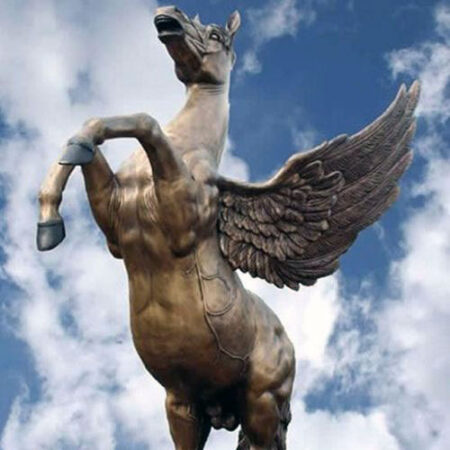
The restoration of the Horses of Helios  demonstrates the level of craftsmanship involved in returning a damaged bronze sculpture to its original condition

Careful assessment, precision repair and sympathetic re-patination allowed the sculpture to regain both its structural strength and visual balance while preserving the character intended by the artist

Bronze Restoration : The Horses of Helios : The Haymarket : London : UK

The Horses of Helios : The Haymarket : London : England

Request Advice on Bronze Sculpture Repairs

Not every sculpture needs full restoration Bronze statue maintenance and occasional professional attention can help protect a sound surface after treatment For routine bronze statue care, dusting, cleaning and suitable waxing, see our bronze sculpture care and maintenance guide

To discuss a repair, contact Escar UK Bronze with clear overall photographs and close-ups of the damage, approximate dimensions, the sculpture’s location and any known previous repairs or coatings Include details of loose or missing parts and access restrictions Keep detached pieces safely and avoid glue, filler, abrasive cleaning or DIY welding before assessment

Whether you own a small decorative bronze, a large garden sculpture or a public monument, we’re here to help preserve it for years to come

Wikipedia -:- For more info on Lost Wax Casting -:- The Crucible
Escar UK Bronze : Restoration and Repair Services
Bronze Repairs and Restorations Q&As — click to expand

Can a broken bronze sculpture be repaired?

Many broken bronze sculptures can be repaired, but the method depends on the alloy, casting thickness, damage and previous repairs Assessment determines whether welding, replacement parts or another approach is suitable Keep detached pieces and avoid attempting a repair before seeking advice

How much does bronze sculpture restoration cost?

The cost depends on the size and condition of the sculpture, the extent of damage, the finish, access and any transport required Send photographs and dimensions for an initial discussion A reliable quotation and timescale depend on an agreed scope of work; there is no single price for every restoration
Will bronze restoration change the original patina?

The aim is to preserve significant original surface wherever possible Some repairs require local colour matching or repatination, but a sound historic or intentional patina should not automatically be stripped away The proposed finish and expected result should be discussed before treatment

What information should I send for a bronze repair assessment?

Provide overall photographs, close-ups of damage and fixings, approximate dimensions, location and any known repair or coating history Include photographs of detached parts and explain access restrictions Images help with initial advice, although a closer examination may still be necessary

Can a bronze sculpture be repaired without moving it?

Some treatment may be possible in place, while structural work or replacement of parts may require workshop facilities Size, stability, access and the proposed method determine the practical options Discuss these details during assessment before arranging lifting or transport

Why Bronze Deteriorates

Moisture, salts, pollution and bird droppings can affect an outdoor bronze surface, while impact, vandalism or failed joints can cause physical damage A stable patina is not automatically a defect; powdery deposits, flaking, cracks or rust-coloured streaks need assessment so the cause can be identified before treatment
What is the difference between bronze conservation and restoration?
Bronze conservation focuses on stabilising condition and retaining sound original material and significant finishes; restoration may also repair damage or reinstate missing details and surface appearance The approaches can overlap, and the appropriate level of intervention depends on the sculpture’s condition, history and intended setting

What happens during a bronze condition assessment?

The sculpture’s construction, surface finish, visible damage and known treatment history are considered to identify concerns and suitable next steps Photographs can support an initial discussion, but close examination may be needed to assess joints, fixings or corrosion The findings help define treatment options, limitations, access needs and future care before the work is agreed